
mirror with light behind it
Dimensional inspection is a cornerstone of quality control in manufacturing, ensuring components meet precise specifications. Among the tools critical to this process, pin gauges stand out for their accuracy and reliability. To maximize their effectiveness, specialized training programs are essential. These programs equip inspectors with the skills to leverage pin gauges , calibrated pin gauges , pin gauge sets , and standard pin gauges effectively. This article explores how structured training enhances inspection outcomes, emphasizing the role of these tools in industrial applications. Understanding the Role of Pin Gauge in Precision Measurement A pin gauge is a cylindrical tool designed to verify the dimensional accuracy of holes, slots, and other features. Its simplicity belies its importance: even minor deviations in hole diameters can lead to assembly failures or performance issues. Training programs begin by familiarizing inspectors with the fundamentals of pin gauge usage, including selection, handling, and interpretation of results. Key topics in this phase include: Material Compatibility:Understanding how pin gauges interact with different workpiece materials to avoid wear or damage. Tolerance Alignment: Matching pin gauges to specified tolerances to ensure measurements align with design requirements. Environmental Factors: Addressing temperature, humidity, and cleanliness to maintain measurement integrity. By mastering these basics, inspectors lay the groundwork for advanced applications involving calibrated pin gauges and multi-tool systems like pin gauge sets . Optimizing Accuracy with Calibrated Pin Gauges Calibrated pin gauges are precision instruments traceable to national or international standards, ensuring their measurements are consistently accurate. Training programs emphasize the importance of calibration cycles, certification protocols, and error mitigation strategies. A well-structured curriculum covers: Calibration Intervals: Establishing schedules to maintain the accuracy of calibrated pin gauges over time. Certification Documentation: Interpreting calibration certificates to verify tool compliance. Error Identification: Recognizing signs of wear or misalignment in calibrated pin gauges before they compromise results. Hands-on exercises simulate real-world scenarios, such as measuring high-tolerance aerospace components or automotive parts. Trainees learn to cross-reference calibrated pin gauges with digital measurement systems, reinforcing the importance of redundancy in critical inspections. Mastering Versatility with a Pin Gauge Set A pin gauge set combines multiple gauges of varying diameters, enabling inspectors to tackle diverse measurement tasks efficiently. Training programs focus on optimizing the use of these sets through systematic approaches. Critical training modules include: Set Organization: Categorizing gauges by size, tolerance, or application to streamline workflows. Rapid Selection Techniques: Using gauge blocks or digital catalogs to identify the right pin gauge from a set quickly. Cross-Validation:Employing multiple gauges from a pin gauge set to validate measurements and reduce uncertainty. For example, in medical device manufacturing, a pin gauge set might be used to inspect injection-molded parts with tight tolerances. Trainees practice sequencing measurements from largest to smallest pin diameters, ensuring seamless transitions between gauges. Ensuring Compliance with Standard Pin Gauge Practices Standard pin gauges serve as reference tools for establishing baseline measurements across production lines. Training programs highlight their role in maintaining consistency, especially in industries like automotive or electronics where batch uniformity is critical. Key training objectives include: Reference Alignment:Using standard pin gauges to calibrate other measurement tools or fixtures. Batch Testing: Implementing standard pin gauges to validate entire production runs against design specs. Audit Preparedness: Preparing documentation trails that demonstrate compliance using standard pin gauges . Case studies often illustrate how deviations detected by standard pin gauges have prevented costly recalls. For instance, a deviation in fuel injector holes identified during routine checks can trigger process adjustments before defective parts reach assembly. FAQs About Pin Gauge Training Programs What industries benefit most from training on pin gauge usage? Industries such as aerospace, automotive, medical devices, and electronics rely heavily on pin gauges for high-precision inspections. Training ensures personnel can meet industry-specific standards like AS9100 or ISO 13485. How often should calibrated pin gauges be rechecked for accuracy? Calibrated pin gauges should undergo recalibration annually or per manufacturer guidelines. Heavy-use environments may require shorter intervals to maintain traceability. Can a pin gauge set replace digital measurement tools? A pin gauge set complements digital tools by providing physical verification. While digital systems offer speed, pin gauges deliver unambiguous pass/fail results for go/no-go inspections. Why are standard pin gauges critical for quality audits? Standard pin gauges provide auditable proof of measurement consistency. Their traceable certifications help organizations demonstrate compliance during regulatory reviews. What safety protocols apply when handling pin gauges? Inspectors should wear gloves to prevent contamination, store pin gauges in protective cases, and avoid dropping them to preserve calibration integrity. Investing in pin gauge training programs elevates dimensional inspection capabilities, reducing errors and enhancing product quality. By mastering pin gauges , calibrated pin gauges , pin gauge sets , and standard pin gauges , inspectors become adept at navigating complex manufacturing environments. As industries continue to demand higher precision, these skills will remain indispensable for maintaining competitive edge and operational excellence.
about
mirror with light behind it
Ring Gauge En Nøglekomponent til Præcis Måling I en verden, hvor præcision er altafgørende, især inden for industri og fremstilling, spiller ring gauges (ringmålere) en væsentlig rolle. Disse instrumenter er essentielle til at kontrollere dimensionerne og kvaliteten af cylindrisk materiale. Denne artikel vil dykke ned i, hvad ring gauges er, deres anvendelser og vigtigheden af korrekt brug af disse måleinstrumenter. Hvad er en Ring Gauge? En ring gauge er et cylindrisk måleinstrument, der bruges til at måle den indre eller ydre diameter af et objekt. De er typisk fremstillet af hårdt stål eller andre slidstærke materialer for at sikre nøjagtighed og holdbarhed. En ring gauge kan være en go / no-go type, hvor den kun accepterer dele, der falder inden for bestemte dimensioner; dette gør det nemt at identificere, om et komponent er inden for tolerancerne. Hvordan fungerer Ring Gauges? Ring gauges fungerer gennem en simpel kontaktmetode. Når en del indsættes i ringen, skal den fyldestgørende passe ind i go siden; hvis den ikke gør, er den enten for stor eller for lille. Dette er en effektiv metode for producenter, der har brug for at sikre, at deres produkter er inden for specifikationerne, uden at skulle anvende mere komplekse målemetoder. Anvendelser af Ring Gauges Der er mange områder, hvor ring gauges anvendes, herunder 1. Maskinindustrien Ring gauges er almindeligt anvendt til at kontrollere præcisionen af maskindele, især ved produktion af aksler, lejer og tilslutningskomponenter . ring gauge is used for 2. Automotive I bilindustrien er det kritisk at sikre, at komponenterne passer korrekt sammen for at undgå mekaniske fejl. Ring gauges bruges til at kontrollere dimensionerne af dele som rør og aksler. 3. Flyindustrien Her er kravene til præcision endnu højere. Ring gauges anvendes til at kontrollere tolerancer i strukturelle komponenter og motordele, hvilket er afgørende for sikkerhed og ydeevne. 4. Medicinsk udstyr I produktionen af medicinsk udstyr er det afgørende, at komponenterne er præcise for at sikre, at udstyret fungerer som forventet. Ring gauges hjælper med at opretholde høje kvalitetsstandarder. Vigtigheden af Korrekt Brug af Ring Gauges For at ring gauges skal fungere effektivt, er det vigtigt, at de bruges korrekt. Det indebærer - Rengøring Inden brug skal ring gauges rengøres for at fjerne støv, olie eller andre forurenende stoffer, der kan påvirke målingen. - Kalibrering Det er vigtigt at kalibrere ring gauges regelmæssigt for at undgå målefejl. En forkert kalibreret gauge kan føre til fejl i produktionen, som igen kan resultere i dyre omkostninger. - Opbevaring Ring gauges skal opbevares sikkert i beskyttende tilfælde for at forhindre skader eller deformering, der kan påvirke deres præcision. Afslutning Ring gauges er uvurderlige værktøjer i mange industrier, der kræver præcise målinger af dimensioner. Deres enkle design og effektive funktionalitet gør dem til et must-have for producenter, der ønsker at opretholde høj kvalitet og effektivitet. Med korrekt håndtering og vedligeholdelse kan ring gauges hjælpe med at sikre, at produkter opfylder de nødvendige standarder og specifikationer, hvilket i sidste ende bidrager til virksomhedens succes.
-

High quality industrial productsagement

High quality industrial products
View Details -

Meet the diverse needs of customers

Meet the diverse needs of customers
View Details -

Strict quality control

Strict quality control
View Details -

Top raw materials

Top raw materials
View Details -

Trusted supplier

Trusted supplier
View Details
Our application


news and information
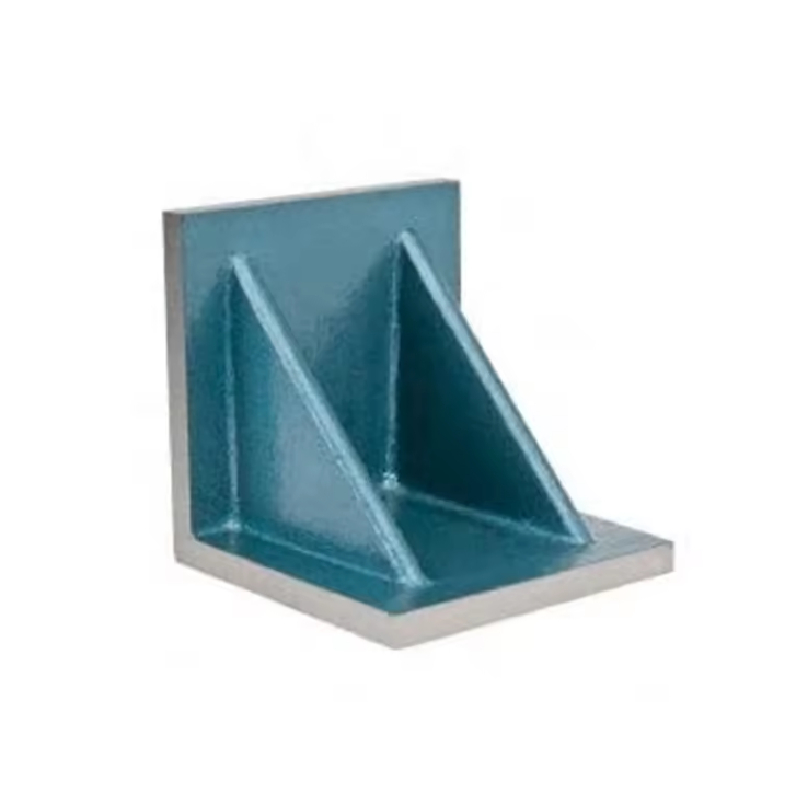
Versatile Workbench for Efficient Welding and Metalworking Projects
The Importance of Welding Tables in Metalworking Welding is a critical process in various industries

v guide rail
Understanding the Importance of Guide Rails A Comprehensive Overview Guide rails, often overlooked i
Vertical Y Strainer for Efficient Fluid Filtration Solutions
Understanding Vertical Y Strainers A Key Component in Fluid Systems In various industrial and munici
 English